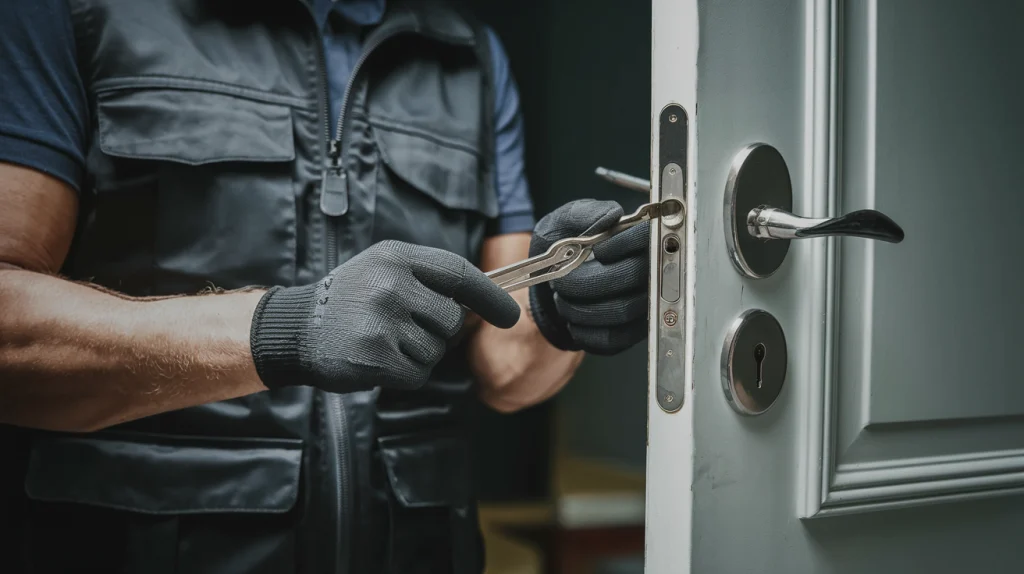
Locks are essential to keeping your home secure. However, many homeowners neglect basic lock maintenance, which can lead to malfunctioning locks and a weakened security system. To ensure your home stays safe, it’s important to regularly maintain your door locks. In this article, we’ll cover three simple yet effective ways to maintain a lock in door houses.
Why Proper Lock Maintenance Is Essential
Home security is a priority for every homeowner, and your door locks are the first line of defense. Proper lock maintenance ensures that your locks function smoothly and last longer, protecting your home from potential intrusions. According to statistics, 34% of burglars enter through the front door, often taking advantage of faulty or poorly maintained locks. By following these maintenance steps, you can reduce the risk of break-ins and prolong the life of your locks.
1. Regular Cleaning of Your Locks
Over time, dust, dirt, and grime can accumulate inside the lock mechanism, causing it to become difficult to operate. Regular cleaning can help prevent the buildup of debris and keep your lock functioning smoothly.
Steps to Clean Your Locks:
- Remove Dust and Debris: Start by using a small brush or air blower to remove dust and particles from the keyhole. Be gentle to avoid damaging any internal components.
- Wipe the Surface: Use a soft, dry cloth to clean the exterior of the lock. Avoid using water, as moisture can lead to rust or corrosion.
- Apply Lubrication: Every few months, apply a graphite-based or silicone lubricant to the inside of the keyhole and around the locking mechanism. Avoid using oil-based products, as they can attract more dirt and cause the lock to jam.
Recommended Lock Cleaning Products:
- Graphite Powder: Ideal for lubricating the lock without attracting dust.
- Silicone-Based Sprays: Provide smooth operation without causing residue buildup.
Regularly cleaning and lubricating your locks will help reduce wear and tear, ensuring that your lock functions correctly every time you use it.
2. Check the Alignment of Door and Lock
Even the best locks can malfunction if they aren’t aligned correctly with the door and strike plate. Misalignment can lead to difficulties in locking or unlocking, and over time, this strain can damage the lock mechanism.
Signs of Misalignment:
- Difficulty Turning the Key: If you notice resistance while turning the key, this may be due to the door and lock being misaligned.
- Trouble Closing the Door: If you struggle to close the door or it doesn’t fit snugly within the frame, your lock alignment could be off.
How to Fix Door Lock Misalignment:
- Adjust the Strike Plate: Loosen the screws of the strike plate and move it slightly until it aligns properly with the lock.
- Check Door Hinges: Sometimes, door sagging can cause misalignment. Tighten the door hinges if necessary.
- Call a Locksmith: If you cannot resolve the issue on your own, it may be time to contact a professional locksmith. They can help realign the door and lock without damaging the components.
By ensuring proper alignment, you prevent unnecessary stress on the lock, prolonging its life and improving its performance.
3. Regularly Inspect and Replace Keys
Many people overlook the condition of their keys when maintaining their locks, but worn-out or damaged keys can cause significant harm. A key that is bent, chipped, or excessively worn can weaken the lock mechanism over time, leading to potential failure.
Why Worn-Out Keys Damage Locks:
- Over time, the edges of your key can wear down, causing it to no longer fit the lock as precisely. This can lead to difficulty turning the lock, or in worse cases, damaging the internal components.
Best Practices for Key Replacement:
- Inspect Your Keys Regularly: Look for any signs of wear, including bent edges or cracks.
- Get a Duplicate Made: If your key is showing signs of wear, get a duplicate made before the original becomes unusable.
- Use High-Quality Keys: Opt for durable materials when getting keys made, as higher-quality keys are less likely to wear down quickly.
Keeping your keys in good condition is just as important as maintaining the lock itself. A properly functioning key will ensure smooth and effortless locking.
When to Call a Professional Locksmith
While the methods above can help you maintain your locks on a day-to-day basis, there are times when professional help is necessary. If you notice any of the following issues, it’s best to call a locksmith to avoid further damage:
- Lock is sticking frequently: Even after cleaning and lubricating, if your lock continues to stick, there may be internal damage.
- Key breaks in the lock: Attempting to remove a broken key without the proper tools can cause more damage.
- Visible rust or corrosion: Rust can deteriorate the internal workings of the lock, requiring professional care.
Routine professional inspections and preventative maintenance can help catch potential issues before they turn into major problems.
Conclusion: Simple Steps for Long-Lasting Lock Security
Maintaining the locks on your doors doesn’t require much time or effort, but the results are well worth it. By cleaning your locks regularly, checking for alignment issues, and keeping an eye on your keys, you can ensure that your locks will continue to provide security for years to come. For more serious issues, don’t hesitate to contact a professional locksmith to keep your home safe and secure.
FAQs
- How often should I clean my door locks?
- It’s recommended to clean and lubricate your locks every 6 months to ensure optimal performance.
- What’s the best lubricant for door locks?
- Graphite powder and silicone-based lubricants are ideal because they prevent dust buildup and keep the lock smooth.
- Can misaligned locks cause damage to the door?
- Yes, over time, misaligned locks can put extra strain on the door and lock, causing potential damage to both.
- When should I replace my keys?
- Replace your keys when you notice signs of wear, such as bent edges or difficulty turning in the lock.
- How do I know when to call a locksmith?
- If cleaning and realignment don’t fix the problem or if the lock is visibly damaged, it’s time to call a locksmith for professional assistance.