
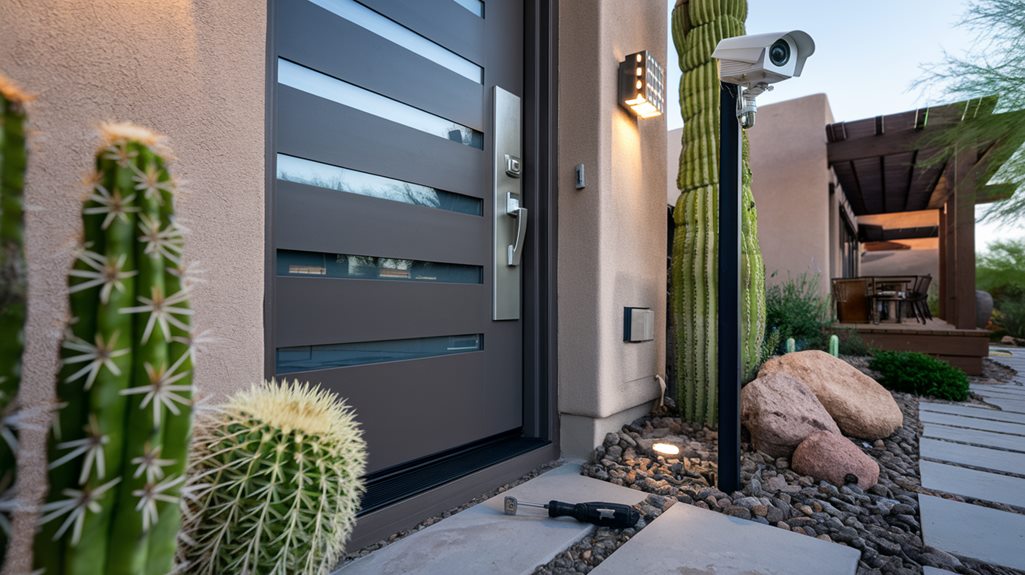
Lock bumping is a growing concern for homeowners in Las Vegas, and it's important to understand how to safeguard your property. You might think your current locks are adequate, but upgrading to high-security options can greatly enhance your defense against this technique. Alongside this, incorporating additional security measures can create an even stronger barrier. Have you considered what steps you can take to make your home more secure? Exploring these strategies might just offer the peace of mind you need.
Key Takeaways
- Upgrade to high-security locks certified by ANSI or with a Grade 1 rating to resist lock bumping.
- Install deadbolts on exterior doors for added security against unauthorized access.
- Consider smart locks with advanced security features that are less susceptible to bumping.
- Educate your family about lock bumping and encourage consistent locking of doors and windows.
- Regularly maintain and inspect locks for wear, and lubricate them to ensure optimal functionality.
Understanding Lock Bumping
Lock bumping is a method that criminals use to exploit the vulnerabilities of traditional pin tumbler locks. This technique involves using a specially crafted bump key, which can be inserted into the lock and struck with a tool to make the pins jump, allowing the lock to open without a traditional key. You might be surprised to learn just how quickly a skilled thief can perform this act, often in under a minute.
Understanding how lock bumping works is pivotal for protecting your home. The design of pin tumbler locks, while common, isn't the most secure. If your home relies on these types of locks, you could be at risk.
You should also be aware that bump keys are easy to make and widely available, making this method particularly appealing to criminals.
To minimize your vulnerability, it's important to stay informed about potential threats. Take the time to educate yourself on lock security and consider the types of locks you currently use. Recognizing the risks involved with lock bumping will empower you to take proactive steps in safeguarding your home against this silent yet effective burglary method.
Upgrading Your Locks
Upgrading your locks is a pivotal step in enhancing your home's security against threats like lock bumping. Many standard locks can be vulnerable to this method of forced entry, so it's vital to choose stronger, more secure options. Consider investing in high-security locks, which feature intricate keyways and are designed to resist lock bumping and picking. If you're unsure about which locks to choose, certified technicians from Residential Locksmith Las Vegas can provide expert guidance tailored to your specific security needs.
When selecting new locks, look for products that have been certified by organizations like ANSI (American National Standards Institute) or those with a Grade 1 rating, indicating they meet high security standards. Additionally, you may want to explore smart locks, which offer advanced security features and can be controlled remotely through your smartphone.
Don't forget to replace all exterior locks, including those on doors leading to garages or patios. Even if some locks seem less vulnerable, it's best to maintain uniform security throughout your home.
Before you make a purchase, consult with a locksmith to get professional advice tailored to your specific needs. By upgrading your locks, you're taking a proactive step toward safeguarding your home and ensuring peace of mind.
Installing Additional Security Measures
Enhancing your home's security doesn't stop at upgrading locks; installing additional security measures can further protect against threats like lock bumping. Consider adding a deadbolt to your exterior doors. Deadbolts provide an extra layer of security, making it harder for intruders to gain access, even if they try lock bumping techniques. If you're looking to enhance your home's security, a commercial locksmith in Las Vegas can provide expert advice and solutions tailored to your specific needs.
You might also think about installing a door viewer or peephole. This lets you see who's at your door before opening it, allowing you to verify visitors. Additionally, security cameras can deter potential burglars and provide valuable evidence if a break-in occurs. Choose cameras with night vision and motion detection for best coverage.
Another effective measure is a security alarm system. Many systems offer features like alerts to your smartphone, so you're always aware of any unusual activity around your home.
You can also invest in window locks and security bars, which add extra protection to your vulnerable entry points.
Lastly, outdoor lighting with motion sensors can illuminate your property, making it less appealing to intruders. By implementing these additional security measures, you can create a safer environment for your family and home.
Educating Your Family
When it comes to home security, bringing your family up to speed on potential threats is vital. Start by explaining what lock bumping is and how it can compromise your home's safety. Make sure everyone understands that this method involves using a specially crafted key to manipulate the lock, making it essential to take preventive measures. If you're looking for reliable locksmith services to upgrade your home's security, consider reaching out to 24/7 Locksmith 4 U.
Encourage open discussions about security practices. Teach your family to always lock doors and windows, even when they're at home. Reinforce the importance of not sharing keys with anyone outside the household, and consider using keyless entry systems or high-security locks for added protection.
Hold regular family meetings to revisit these safety topics. Creating a culture of awareness can help everyone stay vigilant.
You can also share stories or news articles about home invasions due to lock bumping to illustrate the risks.
Regular Maintenance and Inspections
Regularly maintaining and inspecting your locks is crucial for safeguarding your home's security against threats like lock bumping. By keeping your locks in good condition, you can greatly reduce the risk of unauthorized access. Here are three simple maintenance tips to follow:
- Check for Wear and Tear: Regularly inspect your locks for any signs of damage or wear. Look for rust, loose screws, or any parts that may need lubrication. If a lock appears worn, consider replacing it with a more secure option.
- Lubricate Your Locks: Use a graphite-based lubricant to keep your locks functioning smoothly. Apply it every few months to prevent sticking and ensure the internal mechanisms work effectively. Avoid using oil-based lubricants, as they can attract dirt and grime.
- Test Your Keys: Frequently test your keys in all your locks. If a key is difficult to turn or doesn't work smoothly, it may indicate an issue with the lock mechanism itself. Address any problems promptly to avoid getting locked out or compromising your security.